Ready for Anything: The Spontaneous Traveler's Packing List for Ditching the Plan
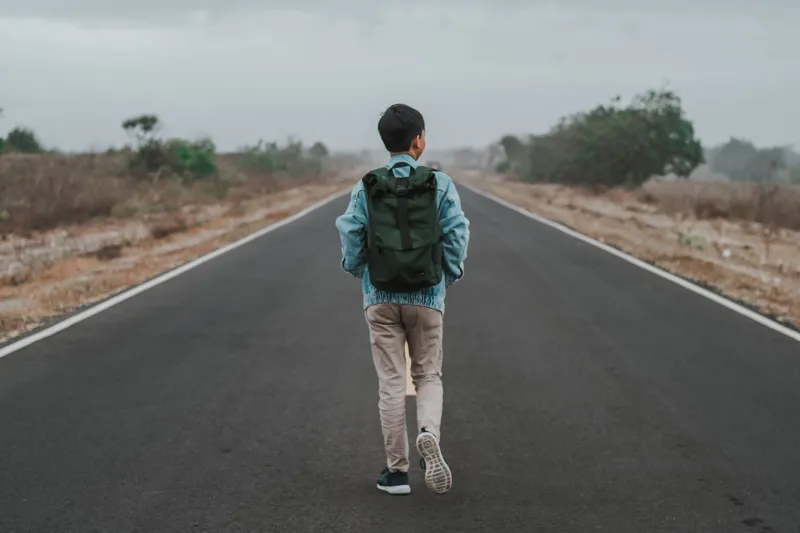
You've heard the story a hundred times — someone blows past their planned exit, stumbles into a tiny coastal town nobody's ever heard of, and ends up having the kind of trip they'll be talking about at dinner parties for the next decade. That's the dream, right?
Here's the thing, though. Most people hear that story and think, I could never do that. Not because they don't want the adventure, but because they're picturing the logistics nightmare version of it. The "wait, I only packed for three nights and now it's day five" version. The "my phone is dead and I have no idea where I am" version.
Spontaneity doesn't have to feel like a gamble. With a little intentional prep — and yes, we recognize the irony of planning for spontaneity — you can roll into the unknown with confidence instead of anxiety. Here's what that actually looks like.
Start With the Right Bag (Not a Bigger One)
The first mistake most travelers make is overpacking for their original itinerary, which leaves zero room — physical or mental — for detours. If your suitcase is stuffed to the zipper with outfits planned for specific restaurants and activities, you've already boxed yourself in.
Instead, think versatile and compact. A 40-liter carry-on backpack or a soft-sided duffel is your best friend here. Something you can shove in an overhead bin, toss in a truck bed, or strap to the back of a rental bike without a second thought. When your bag is manageable, every opportunity stays on the table.
The rule of thumb: pack for the trip you planned, then remove two things. Leave that space — literally — for whatever the road decides to hand you.
The Five Non-Negotiables
When you're genuinely open to going off-script, certain items go from nice-to-have to absolutely essential.
1. A portable battery pack. This is non-negotiable. A dead phone isn't just an inconvenience when you're improvising — it's the thing standing between you and a last-minute reservation, a translated street sign, or a photo of that waterfall you found by accident. Carry one that can charge your phone at least twice.
2. One extra day's worth of clothing, sealed in a zip-lock bag. Sounds fussy, but this is your freedom insurance. An extra pair of underwear, a clean t-shirt, and fresh socks means you can confidently say yes to staying an extra night somewhere unexpected without doing the sad sink-laundry routine.
3. A small amount of cash. Apps crash. Card readers go down. Rural farm stands don't take Venmo. Keeping $60–$100 in small bills somewhere in your bag means you're never stuck outside an opportunity because of a payment issue.
4. A lightweight, packable layer. Weather is the original plot twist. A thin down jacket or a packable rain shell stuffs into its own pocket and weighs almost nothing — but it's the difference between jumping on a spontaneous hiking detour and standing on the trailhead shivering.
5. Basic toiletries in TSA-friendly sizes, always. Even if you're not flying, keeping your toiletry kit stocked and ready means you're never scrambling. Toothbrush, deodorant, face wash, any medications you take regularly. Restock these before every trip, not the morning of.
The Flexibility Hacks That Actually Work
Beyond what's in your bag, there are a few logistical moves that make spontaneity significantly less stressful.
Book refundable when you can. Yes, the non-refundable rate is cheaper. But if you're the kind of traveler who wants to leave room for detours, that savings can evaporate fast when you're eating a cancellation fee because you decided to stay in a town you weren't supposed to be in. Platforms like Booking.com and some hotel direct rates offer free cancellation — use them.
Don't pre-book every single night. Leave at least one or two nights in your trip unscheduled, especially toward the middle. That's your buffer. That's the space where serendipity actually gets to happen.
Download offline maps before you leave. Google Maps and Maps.me both let you save regions for offline use. Do this. Wandering down a rural two-lane road with no cell signal is one thing; wandering with zero idea of your cardinal direction is another. Offline maps give you just enough grounding to explore freely.
The Mindset Shift That Makes All of It Work
Here's where the real prep happens — and it has nothing to do with what's in your bag.
Spontaneous travel has a learning curve, and the biggest obstacle is usually the internal one. That voice that says but I already made a reservation or we're supposed to be somewhere by tomorrow. That voice is not wrong, exactly — it's just optimizing for the wrong thing.
Try reframing your itinerary as a suggestion rather than a schedule. You researched those restaurants and booked those activities because they sounded great. But so might the thing you haven't discovered yet. Give yourself explicit permission, before the trip starts, to change your mind.
One practical trick: write down the two or three things on your original itinerary that are truly non-negotiable — the concert you bought tickets for, the family visit that's the whole reason for the trip. Everything else? Hold it loosely. When you know your hard stops, you can improvise everything in between without guilt.
A Note on Traveling With Others
All of this gets more complicated when you're not flying solo. The best thing you can do before a trip with friends or a partner is have the conversation explicitly: Hey, I'd love for us to leave some room to be surprised. Are you in?
Not everyone has the same relationship with spontaneity, and that's okay. But a quick check-in before departure — about how rigid the plan is, what everyone's non-negotiables are, and how much ambiguity feels fun versus stressful — saves a lot of friction on the road.
The Bottom Line
The best travel stories almost never start with so we followed the itinerary perfectly. They start with a wrong turn, a local's tip, a rained-out afternoon that led somewhere better. But those moments don't just happen to lucky people — they happen to prepared people who left room for them.
Pack light. Keep a little cash. Hold your plans loosely. And maybe, just maybe, miss your exit on purpose.
The map is just a starting point. What's off it is the whole point.