Tuesday at 2 PM in March: The Most Underrated Moment in American Travel
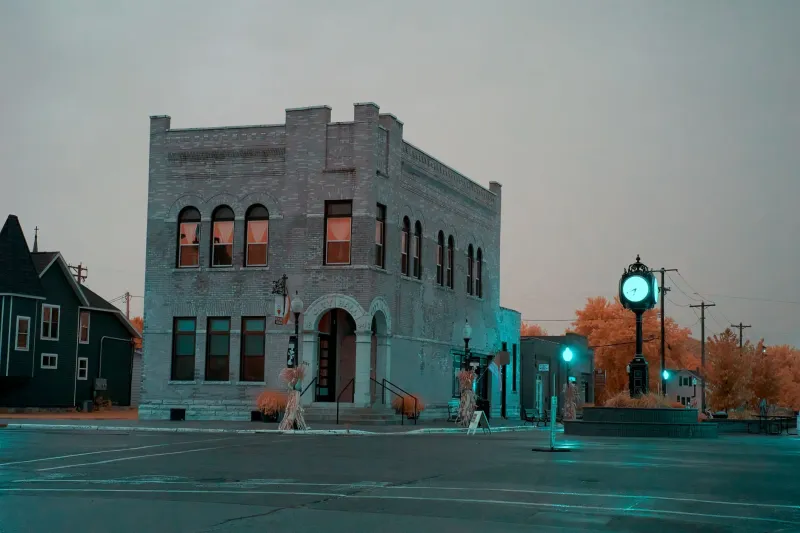
Here's a travel truth that took me years to figure out: the best version of any small American town doesn't exist on a weekend in July. It exists on a Tuesday afternoon in late March, when the hardware store owner is sweeping his sidewalk, the diner still has the lunch specials board out, and the only other person on Main Street is a retired schoolteacher walking her dog.
That's not emptiness. That's authenticity.
There's a sweet spot in travel timing that sits somewhere between "too crowded to breathe" and "so dead the coffee shop closed early." Finding it isn't about luck — it's about learning to read the rhythms of a place before you show up.
Why Weekends Are Lying to You
We default to weekends because that's when we're free. But here's the problem: so is everyone else. A Saturday morning in a charming mountain town in Vermont or a coastal village in the Carolinas looks great on Instagram and feels genuinely awful in person. The parking lots are full, the locals are hiding, and every "authentic" experience has a forty-five minute wait.
Worse, weekends in tourist-adjacent towns often produce a kind of performance of local life rather than actual local life. The farmers market is there, but it's curated for visitors. The shops are open, but the owners are too busy to talk. You're moving through a stage set.
Weekdays — especially midweek, especially in the transitional months — strip that away.
The March Window (And Why It's Magic)
March is a genuinely weird month in most of the country, and that weirdness is a gift. Spring hasn't fully committed. Tourist infrastructure hasn't fired back up. But — and this is the key part — the towns are alive. School is in session. Local businesses are open. The farmers market might be running its winter schedule. The hardware store is doing a brisk trade in seeds and garden prep supplies.
This is a town living for itself, not for you. And that's exactly where serendipity lives.
Similar windows exist throughout the year if you know where to look:
- Early October in the Midwest — after the fall foliage crowds but before things close for winter. County fairs are winding down, harvest festivals are happening in church parking lots, and the local bar has the game on for actual regulars.
- January in the Mountain West — past the holiday ski rush, before Presidents' Day weekend. The slopes are quieter, the lift lines are short, and the locals are skiing again.
- Late April in the South — after spring break, before the heat drives the rhythm of everything. Azalea festivals, garden tours, and front-porch conversations that can last an hour if you let them.
Reading a Town's Internal Clock
Every community has a pulse, and learning to feel it before you arrive is a skill worth developing. Here's what to actually look for:
Farmers market days. This sounds obvious, but most travelers either show up on the wrong day entirely or arrive when the market is winding down. A Saturday market at 11 AM in a tourist town is a zoo. A Wednesday morning market in a working-class community at 8 AM is something else — it's where people actually buy their produce, where the farmers talk to their regulars, where you can have a real conversation because nobody's performing.
School calendars. This one surprises people. When school is in session, small towns have their natural rhythms intact. After-school traffic, the coffee shop filling up at 3:15, the park with actual kids in it — these are signs of a community functioning normally. School breaks, paradoxically, can hollow out a small town's authentic character even as they bring families in.
Seasonal transitions in service industries. The week a ski resort opens or closes. The weekend before a beach town's "official" summer season starts. The Monday after a major local festival ends. These transitional moments are when the people who actually run the place are most visible — and most willing to talk.
The Algorithm Can't Find This
Here's what makes this kind of timing essentially invisible to travel apps and recommendation engines: they optimize for what's available, not for what's alive. A restaurant is either open or closed. A trail is either accessible or not. But the quality of a Tuesday afternoon in a small town — the particular light, the particular density of real human activity, the particular openness of a local who isn't exhausted from a weekend of tourists — that's not something you can filter for.
That's the whole premise of serendipitous travel. You're not finding what the algorithm surfaced. You're finding what the algorithm can't see.
A Practical Framework for Timing Your Next Trip
Before you book, do this:
- Look up the town's event calendar — not TripAdvisor's event calendar, the actual town website or local Facebook group. Find out when the farmers market runs, when the local festivals happen, when school is out.
- Identify the week after the big event. The weekend of the apple festival is crowded. The Tuesday after it is perfect — the decorations are still up, the locals are relaxed, and the pie shop still has apple pie.
- Check for shoulder-season business hours. If everything closes at 4 PM in January, plan accordingly. But also know that the places that stay open year-round are usually the ones most worth visiting.
- Aim for midweek arrival. Wednesday check-ins at small-town B&Bs and inns often come with longer conversations at breakfast, because the owner isn't managing a full house.
What You're Actually Looking For
The goal isn't an empty town. Empty is lonely and a little sad. The goal is a town that's full of its own people, doing its own things, without having to make room for you specifically.
When you show up in that context — a little off-schedule, a little unexpected — something interesting happens. You're not a tourist to be processed. You're a stranger who wandered in, and that's actually more interesting to people.
The hardware store owner sweeping his sidewalk in March? He'll tell you about the best fishing spot in the county if you give him thirty seconds. The diner waitress running the Tuesday lunch rush? She knows which back road has the best views and which one you should definitely avoid after rain.
None of that shows up in a search result. All of it shows up on a Tuesday afternoon in March, if you're paying attention.