What's in the Cooler Aisle: Using Gas Station Shelves as a Culinary Road Map
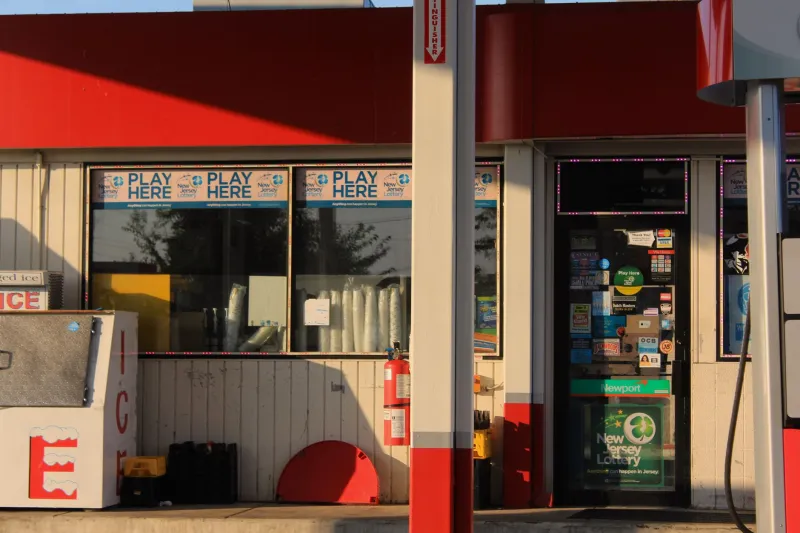
I was somewhere in eastern Tennessee, running on a half-tank and a vague plan, when I stopped at a gas station that looked like it hadn't updated its signage since 1987. I went in for coffee. I came out with a bag of pork rinds I'd never seen anywhere else, a jar of something labeled "chow-chow" in handwritten marker, and a deep, genuine need to know who made both of those things and where they lived.
That detour eventually led me to a screen-door diner seven miles down a county road, where the same chow-chow was served alongside pinto beans and cornbread by a woman who'd been running the place since her mother retired. I never would have found it on any list. The gas station told me where to look.
The Shelf as a Local Intelligence Report
Here's the thing nobody tells you about convenience stores in small-town America: the inventory is intensely local. Chains stock their shelves from regional distributors who know what sells in a given county, and independent stations often stock products from neighbors — a guy down the road who smokes brisket on weekends, a church group that makes preserves as a fundraiser, a local dairy that can't compete with the big guys but has a handshake deal with the store owner.
Walk slowly through those aisles. Look at the brand names you don't recognize. Notice what's in the cold case that isn't a national brand. That unfamiliar sausage link in the warmer? Someone made that. That shrink-wrapped slice of pie on the counter? It came from somewhere.
The regional tells are everywhere once you start reading them. In the Gulf South, you'll find boudin and cracklins from local meat markets. In Appalachia, look for apple butter and sourwood honey. Drive through the Great Plains and you'll stumble onto jerky brands that exist in exactly one county. The shelf is a map, and every unfamiliar label is a possible coordinate.
Following the Breadcrumb Trail
The technique is simple: when you see something you've never encountered anywhere else, ask about it. Gas station clerks are wildly underrated as local food informants. They know exactly where the sausage came from because the guy who makes it drops it off on Tuesdays. They know the pie is from the bakery on Elm Street because the owner's daughter works the afternoon shift.
One traveler I spoke with, a freelance photographer who drives the back roads of the South every spring, has turned this into an almost scientific process. She photographs every unfamiliar snack or local product she sees, then uses the brand name or producer information to track down the source. "I found an incredible tamale operation in Mississippi just because I saw a handwritten sign taped to a cooler," she told me. "It wasn't a restaurant. It was a woman working out of her home kitchen, selling out every week to people who already knew about her. I would have driven right past her town without that cooler."
The Regional Food Codes Worth Learning
Different parts of the country broadcast their food culture through different convenience store signals. Here are a few worth decoding:
The South: Watch for locally produced hot sauces, pimento cheese tubs from small dairies, boiled peanuts (fresh or canned), and house-smoked meat products. If you see a hand-lettered sign for a fish fry happening somewhere nearby, follow it.
The Midwest: Local bakeries often supply gas stations with day-old or surplus product. Look for items with minimal packaging and a "baked fresh" sticker. Kolaches in Texas and into the Great Plains point toward Czech immigrant food traditions that are genuinely worth exploring.
The Mountain West: Locally made jerky and dried meats are the obvious tell, but also look for honey varieties and regional chile products in New Mexico and Colorado. A jar of green chile sauce from a producer you've never heard of is almost always worth buying.
New England: Small-batch maple products, local fudge from coastal candy shops, and regional potato chip brands that only exist in a three-state radius. The chips especially — they'll lead you to family-owned operations that have been frying since your grandparents were kids.
From the Cooler to the Kitchen
The real payoff of the gas station method isn't just identifying interesting snacks — it's using those products as a starting point for a conversation that takes you somewhere you actually want to eat. Most small-town gas stations are within five miles of the food source they're stocking. The smokehouse, the bakery, the family farm stand — they're close. They have to be, because small producers don't have long distribution chains.
Once you've identified something local, the follow-up question is everything. "Where does this come from?" is one of the most effective sentences in a road tripper's vocabulary. The answer is almost always specific, often enthusiastic, and sometimes accompanied by directions scrawled on a receipt.
The Accidental Education of the Open Road
There's a version of American food culture that exists entirely outside the reach of food media, travel apps, and Instagram algorithms. It lives in church cookbooks and county fair ribbons and the back coolers of gas stations on state highways with three-digit route numbers. It's not hidden on purpose — it's just not being marketed to you.
The gas station is where that world brushes up against the road you're already driving. You don't have to go looking for it. You just have to slow down long enough to notice what's on the shelf, ask one question, and follow where the answer leads.
Some of the best meals I've ever eaten started with a snack I bought because it had a name I didn't recognize. That's the whole game.